

Welcome to AI for FIs, from Dixon Strategic Labs. Each week, this newsletter curates critical developments in agentic AI and explains why they matter for your credit union.
Infrastructure continues to top the charts this week.
Your members' next purchase might be initiated by an AI agent, and the payment networks are deciding how that works. Mastercard and Google released Verifiable Intent, an open-source framework that proves an AI agent is authorized to make a purchase before the money moves. Stripe is deploying its own agentic payment token. Fiserv is integrating with Mastercard's Agent Pay. McKinsey estimates $3-5 trillion in agent commerce by 2030. The standards are being written now.
Let's get into it.
📰 Industry News & Market Trends
Payments Dive · Mar 5, 2026

Visa, Mastercard, Stripe, and Google are competing and collaborating to define standards for AI-agent-driven commerce. Stripe began deploying its "shared payments token" to facilitate agentic transactions. McKinsey estimates agentic payments could drive $3-5 trillion in global consumer commerce by 2030.
Why it matters: Whichever standards win will determine how member card payments flow through AI agents, affecting every FI's payment processing stack.
FinTech Magazine Article · Mar 5, 2026

AI agents acting for consumers could upend financial services by collapsing data silos and cutting out lead-gen middlemen. Trust shifts from brand to agentic infrastructure.
Why it matters: Credit unions that build agent-accessible integrations now could gain members that traditional lead-gen platforms would have captured.
Deloitte Insights • Mar 5, 2026

Deloitte identified 350+ risks from autonomous AI agents in banking, drawn from MIT's AI Risk Database. The report covers runaway agents, misaligned goals, data exposure, and opaque decisions. It proposes a governance framework that treats AI agents as active operators within FI systems.
Why it matters: One in three FIs are already budgeting for agentic AI, so credit union boards should ask how their risk frameworks address autonomous agent behavior.
📡 On Our Radar
BECU is piloting an AI financial advisor called Becca with 150 employee-members, targeting paycheck-to-paycheck households.
Australian fintech Lendi built an agentic AI refinance assistant using Amazon Bedrock in 16 weeks with five specialized agents.
Claude uncovers 22 Firefox security flaws in just two weeks.
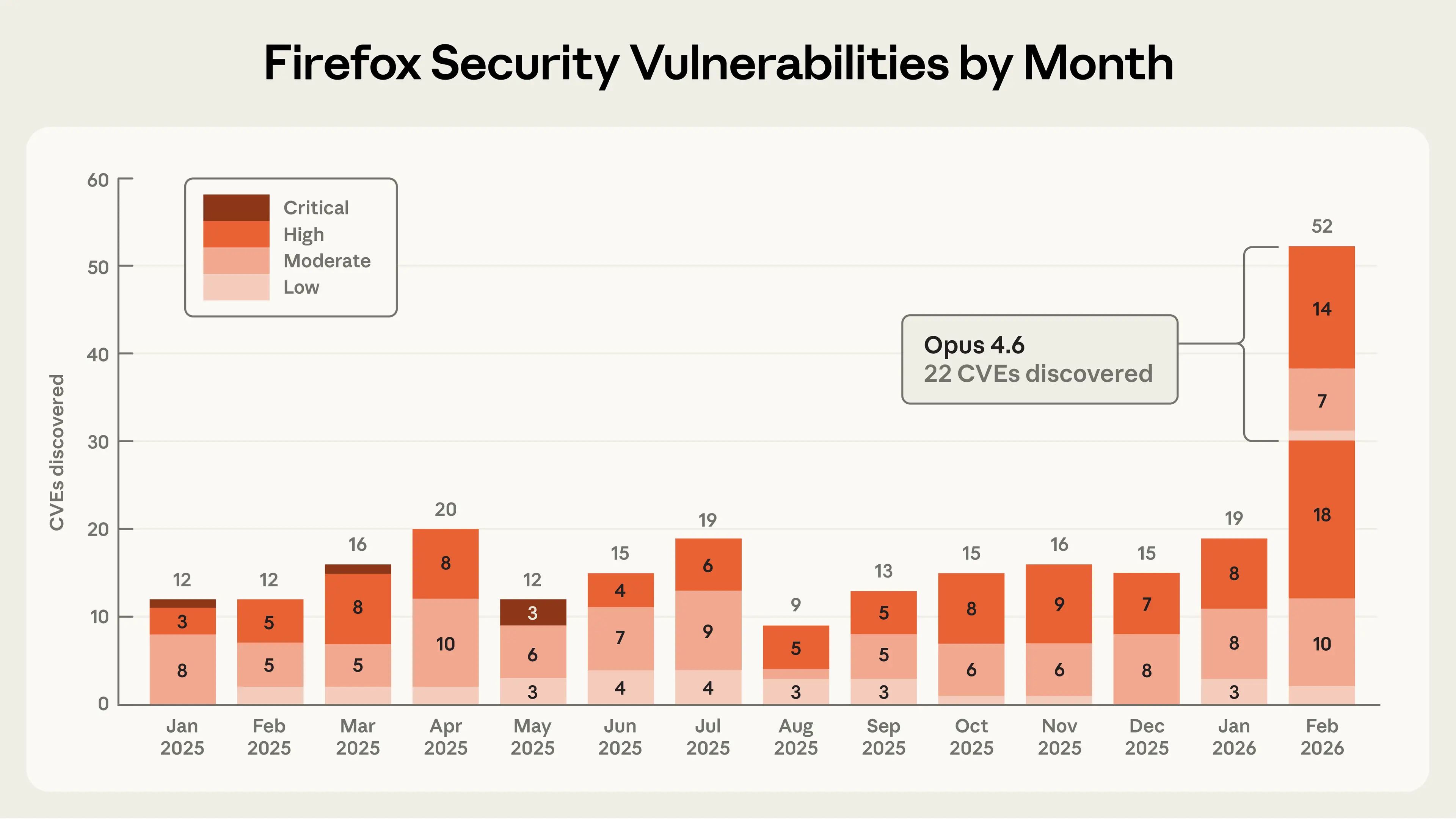
“Firefox security vulnerabilities reported from all sources, by month. Claude Opus 4.6 found 22 vulnerabilities in February 2026, more than were reported in any single month in 2025.”
Anthropic released a video explaining how skills work in Claude agents.

⚙️ Tools & Vendors
Mastercard and Google Launch Open Spec for Agent Purchases - Mastercard and Google open-sourced Verifiable Intent, a cryptographic framework for authorizing AI agent purchases.
SuperMoney combines AI coaching with a loan marketplace, letting an agent monitor accounts and surface competing offers in real time.
OpenAI Launches AI Agent for Application Security - OpenAI's Codex Security agent autonomously hunts code vulnerabilities and proposes fixes, as AI-driven attacks outpace human-speed remediation.
Whether you're watching the agentic payments race unfold, thinking about how tools like SuperMoney could impact member relationships, or figuring out how to govern autonomous agents inside your own team, I'd love to hear what's shaping your strategy right now. Drop me a note at [email protected].
If a colleague is sorting out AI governance, vendor risk, lending, fraud, or member and customer trust, send them this issue.
